
The Cost of Treating the Sick
The Deer KingThe outbreak forces physicians and families to decide how much risk is acceptable when treatment itself may injure the person it is meant to save.
increasing Bearing strength in each event
 decreasing
Bearing strength in each eventdecreasingEarly Remedies Fail
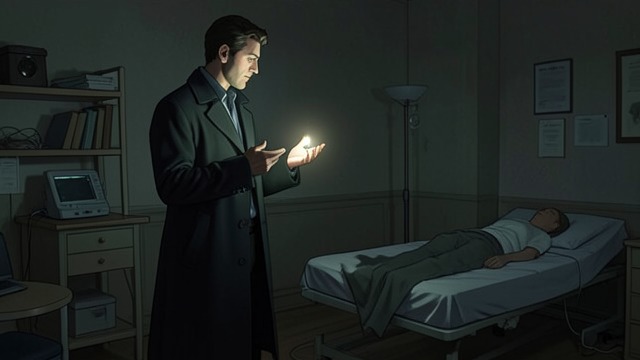
Treatment Without Assurance
Symptoms outrun preparation
Patients initially show ordinary signs such as fatigue and sore throats, then deteriorate rapidly after the rash appears. Hohsalle’s remedies have not yet been tested adequately in humans.
A narrowing window
The speed of the illness makes waiting for certainty dangerous. Clinicians must act before they can know which intervention will help or harm.
The Serum’s Dangerous Promise
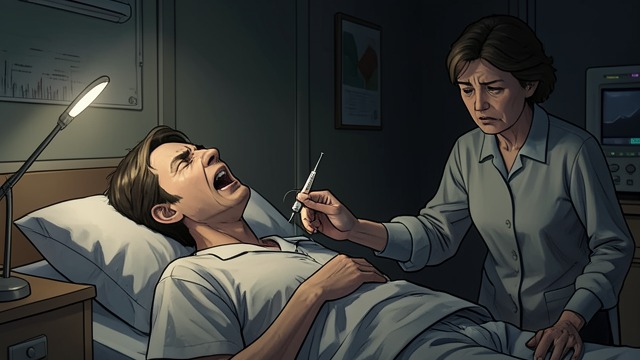
A Gamble with Consent
Risks made explicit
Hohsalle explains that serum may trigger a severe allergic reaction, including loss of breathing. Patients and relatives must decide whether to accept the chance of treatment.
Different choices, different outcomes
Mazai asks for the medicine, while Sulumina’s reaction becomes acute. The narrative does not treat intervention as guaranteed salvation; it makes consent and uncertainty part of care.
A Breakthrough Remains Provisional
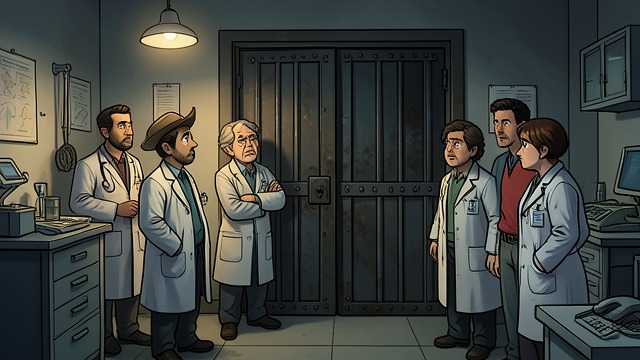
Hope Without a Final Cure
Progress through failure
Some patients survive after combined measures, including sedation and experimental drugs, while others die despite treatment. Each result adds information but cannot be generalized too quickly.
Responsibility continues
The clinicians must learn from outcomes without reducing patients to experiments. A breakthrough matters because it opens another path, not because it ends the need for caution.
The first week after the falcon hunt
During the later treatment decisions
After the first survivors wake
